A Dog Trainer's Guide to Potty Training a Puppy
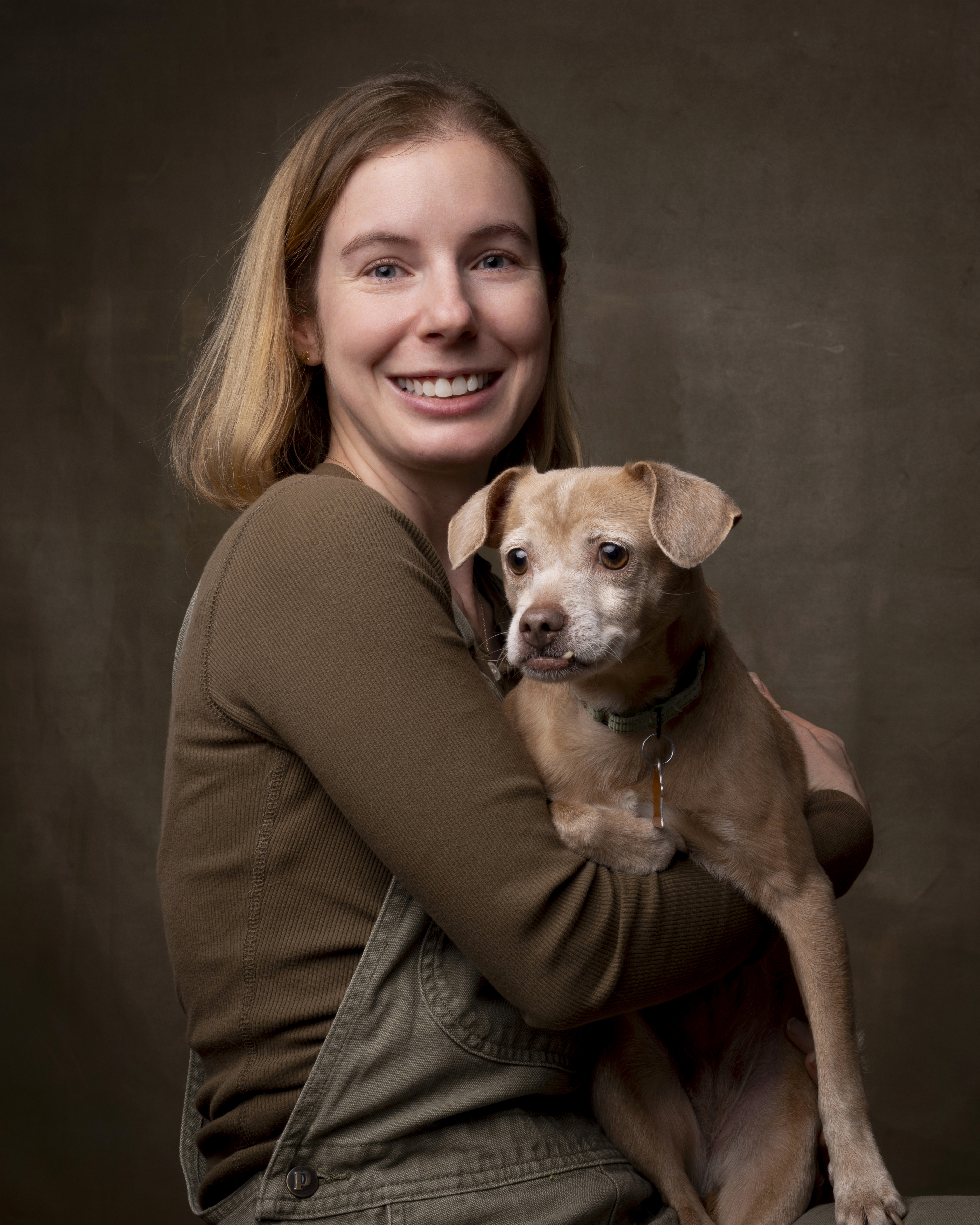

There is nothing cuter and nothing messier than bringing home a new puppy. Potty training is one of the first major skills dogs need to learn. While accidents are normal in the beginning, a clear routine and consistent supervision can make the process much smoother.
At its core, potty training is half rewarding the correct behavior and half prevention. Your goal is to create as many opportunities as possible for your dog to succeed while preventing repeated indoor accidents.
Set a Consistent Schedule
Dogs learn fastest when they have predictable opportunities to go outside. Take your dog out:
First thing in the morning
After meals
After naps
After play sessions
Before bedtime
Every 1–2 hours for young puppies
Consistency helps your dog understand where and when to eliminate.
Supervise Indoors
Most potty training setbacks happen when puppies have too much freedom too soon.
Put up barriers so your puppy is not wandering throughout the house unsupervised. Use baby gates, pens, leashes, or tethers to keep them near you so you can quickly notice signs they need to go out.
Allowing puppies to roam freely often leads to accidents happening out of sight. This creates frustration for people and reinforces indoor pottying for the puppy.
Watch for signs they may need to go out, including:
Sniffing
Circling
Wandering away
Suddenly stopping play
Heading toward doors or corners
If you cannot actively supervise, use a crate or small puppy-safe area.
Reward Outdoor Pottying
When your dog eliminates outside, reward immediately. Use treats, praise, or both.
Timing matters. Reward within a few seconds so your dog clearly associates the reward with going potty outdoors.
Many people wait until they return inside, which can make the lesson less clear.
Use the Crate Correctly
Dogs naturally avoid eliminating where they sleep, which makes crates useful for potty training.
The crate should be large enough for your dog to stand up, turn around, and lie down comfortably, but not large enough to use one side as a bathroom.
Crates should support training, not replace supervision or exercise. If your dog is just not tolerating the crate right now, an X pen is a great alternative.
Interrupt, Don’t Punish
If you catch your dog having an accident indoors, calmly interrupt and bring them outside. If they finish outside, reward them.
Do not punish accidents after the fact. Dogs do not connect delayed punishment to something they did earlier. Punishment can also create anxiety around pottying in front of people, leading them to hide around the house to have accidents out of your sight.
Instead, focus on improving management and supervision.
Clean Accidents Thoroughly
Use an enzymatic cleaner designed for pet messes. Regular household cleaners may not fully remove odors, and lingering scent can encourage repeat accidents. For soaked in messes, I use soap and hot water, followed by Pine Sol, followed by an enzymatic cleaner, followed by essential oil.
Expect Setbacks
Potty training is not always linear. Changes in schedule, stress, excitement, illness, or adolescence can temporarily disrupt progress.
If accidents suddenly increase after a period of success, consider:
Has the routine changed?
Is supervision slipping?
Is the dog getting outside often enough?
Could there be a medical issue?
Be Patient
Most dogs become reliably potty trained through repetition, consistency, and clear routines. The process takes time, especially for young puppies.
Focus less on perfection and more on creating successful habits your dog can repeat every day.


Comments