Mental Health Awareness Month: What Happens When We Talk Honestly About Our Dogs
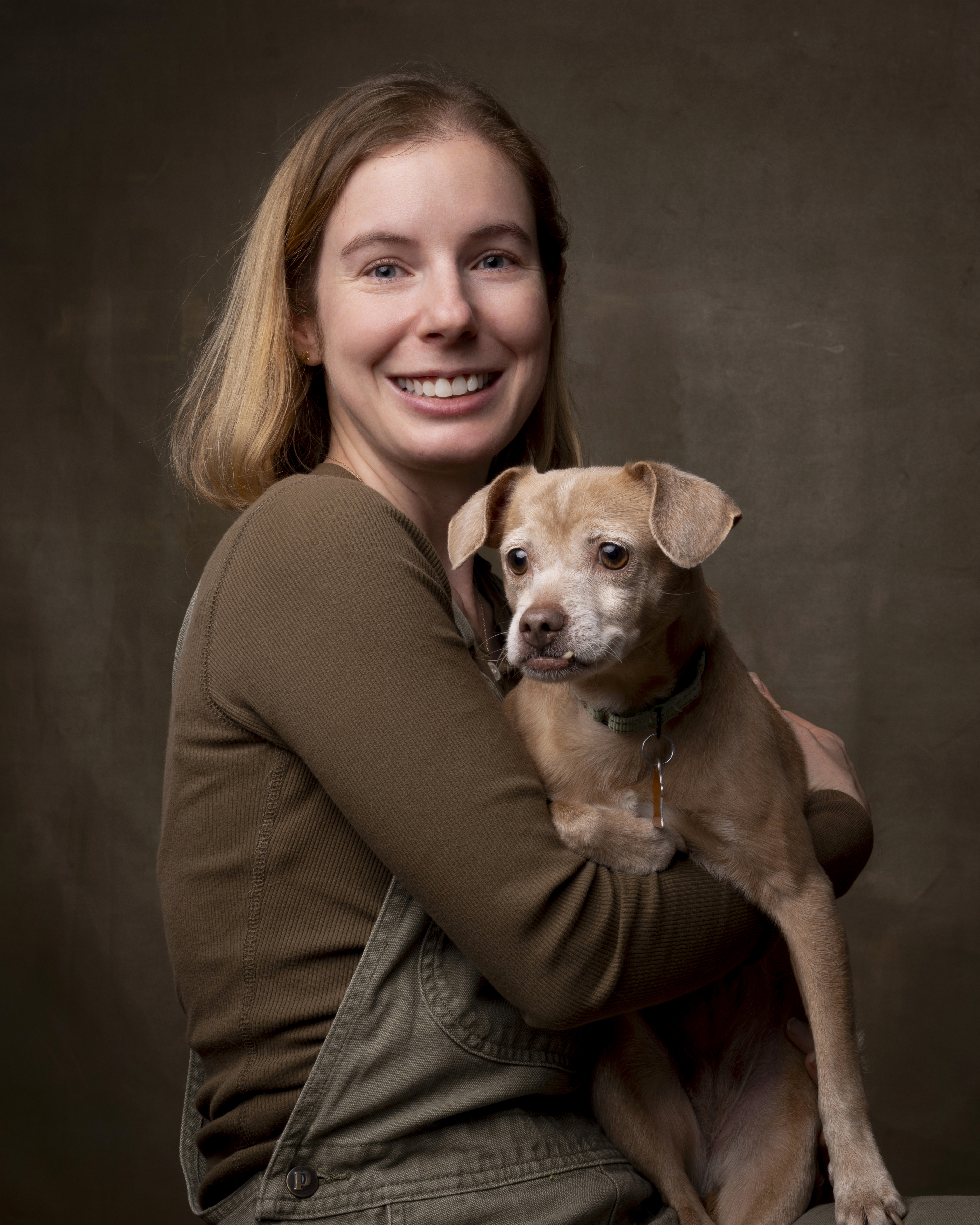

If you have worked with me, you know that one of the core values of my approach to dog training is reducing shame.
There are many instances where I have encouraged a client to talk to their friends and neighbors about their struggles with training and to ask them for help or to participate in a training activity. Many people are worried about how others may react to this request. My response to that is: you would be surprised about how many people are dealing with the same or a similar issue with their dogs. You asking for help might be helpful for someone else in return.
So many people carry quiet embarrassment about their dog’s behavior. They think everyone else has it figured out. They assume they are the only one dealing with barking, fear, reactivity, chaos on walks, aging challenges, or unmet expectations. Because of that, they feel apprehensive about talking to other people, even their friends, about their struggles.
Mental Health Awareness Month feels like the perfect time to talk about something I see every day: opening up about your struggles with your dog can be deeply healing. It can reduce isolation, increase connection, and remind you that dog ownership is rarely as effortless as it looks from the outside.
I recently asked clients, friends, and family to share challenges they have faced with their dogs. Here is what came back:
Struggling to care for her in her senior years
Fear of the vet (I can relate to this- this is my dog's biggest challenge too)
Picking things up off the ground and eating them
Reconciling what I thought dog training should be with the reality of my dog’s abilities
Managing his reactive side
Pulling me over on the leash
Ignoring me when I call him
These are honest, real, incredibly common experiences.
Every dog comes with strengths, quirks, limitations, and needs. Every guardian brings their own hopes, stress, learning curve, and emotions to the relationship. When we talk openly about these experiences, a few important things happen.
Shame Loses Its Power
The moment someone says, “My dog struggles too,” the pressure softens. You realize you are not uniquely failing. You are participating in something shared and human.
Community Grows
Honest conversations create closeness. Vulnerability invites vulnerability. Your neighbor who always seemed to have the perfect dog may be navigating challenges you never saw.
Expectations Become Kinder
Sometimes the hardest part is grieving the dog we imagined and learning to appreciate the dog in front of us. Many people quietly carry this experience. Naming it helps us move toward acceptance and realistic goals.
Support Becomes Easier to Access
When struggle is normalized, asking for help feels less intimidating. Training, veterinary care, behavior support, and community resources become more approachable.
If you are having a hard time with your dog right now, I hope you know this: you are not alone, and you are not behind. There is no perfect dog owner quietly succeeding while everyone else struggles. Most people are simply dealing with their own version of the same story.


Comments